
Skip to content

9/11: Following the Trail

Dated timeline · 117 events

This timeline picks up on the night of September 11, 2001, at the moment President Bush went to bed, and follows the story forward for nearly ten years. It covers the criminal and intelligence investigation, the legal and legislative response, military operations, media and cultural moments, and the social aftermath — through to Operation Neptune Spear and its immediate aftermath.

Order:
  1. 9 September 2001

    Bush Dictates “The Pearl Harbor of the 21st Century” (Late Evening)

    Illustrative representation only, not an actual event.
    Illustrative representation only, not an actual event.

    After delivering his Oval Office address to the nation, and before walking to the White House residence for the night, President George W. Bush dictated an entry for the White House daily log. He recorded that the Pearl Harbor of the 21st century had taken place that day, that officials believed Osama bin Laden was responsible, and that other targets in the United States were suspected. He added that he had urged the country to return to normal and that a terrorist could not be allowed to hold the nation hostage. The dictation captured the administration’s working assessment at the close of the first day, hours after the CIA’s Counterterrorism Center had reached the same conclusion about al-Qaeda.

  2. 11 September 2001

    False Alarm Sends the Bushes to the Bunker

    Illustrative representation only, not an actual event.
    Illustrative representation only, not an actual event.

    Shortly after the president and first lady had gone to sleep in the residence, a Secret Service agent woke them with word that the White House was under attack. Laura Bush later recalled grabbing a robe without stopping for her contact lenses as the couple gathered the family pets and descended flight after flight of stairs toward the Presidential Emergency Operations Center, the agents having judged the elevator unsafe. As a military sergeant was unfolding a hideaway bed in the bunker, another agent reached them and reported that the aircraft was one of their own. The couple returned upstairs and finally climbed into their own bed, closing the deadliest day in modern American history on a note of continuing confusion about what was hostile and what was not.

  3. 12 September 2001

    NATO Invokes Article 5 for the First Time

    The North Atlantic Council declared that if the attacks were determined to have been directed from abroad, they would be regarded as an attack against all members of the alliance under Article 5, the collective defense clause. It was the first invocation of Article 5 since NATO’s founding in 1949. The declaration was conditional pending evidence, and was formally confirmed on October 2 after the United States briefed allies on its case against al-Qaeda. Allied intelligence and law enforcement agencies expanded cooperation sharply as the investigation crossed international borders.

  4. 12 September 2001

    UN Security Council Adopts Resolution 1368

    The United Nations Security Council unanimously adopted Resolution 1368, condemning the attacks and recognizing the inherent right of individual and collective self-defense under the UN Charter. It called on all nations to cooperate in bringing those responsible to justice. For investigators, the resolution opened the door to unprecedented international cooperation, with governments pledging intelligence, law enforcement, financial, and diplomatic assistance. The language on self-defense would later be cited as part of the legal basis for military action in Afghanistan.

  5. 12 September 2001

    Atta's Missed Suitcase Recovered

    Luggage handling area at Boston's Logan International.
    Luggage handling area at Boston's Logan International.

    As agents traced Mohamed Atta’s movements, they discovered that one of his checked suitcases had failed to make its connecting flight in Boston and never boarded American Airlines Flight 11. Because the bag remained at Logan Airport, it survived the attacks and immediately became a priority for investigators. Inside were flight training materials, personal papers, contact information, and a handwritten will. It became one of the earliest and most significant pieces of physical evidence recovered in the investigation, generating leads that helped agents trace Atta’s associates.

  6. 12 September 2001

    Le Monde Declares “We Are All Americans”

    The French newspaper Le Monde published an editorial by Jean-Marie Colombani capturing the wave of international sympathy for the United States. The piece became one of the most widely cited expressions of global solidarity after the attacks. Newspapers across Europe, Asia, and Latin America ran similarly sympathetic front pages, and Queen Elizabeth II ordered the American national anthem played at the Changing of the Guard at Buckingham Palace. The moment marked a rare high point of international goodwill that would erode considerably over the following years.

  7. 12 September 2001

    FBI Launches the PENTTBOM Investigation

    As evidence poured in from airports, crash sites, and field offices nationwide, the FBI shifted almost its entire capacity to the attacks, activating command centers and assigning agents across the country. The investigation was formally organized under the code name PENTTBOM, short for Pennsylvania, Pentagon, and Twin Towers Bombing. It became the largest criminal investigation in FBI history, drawing in thousands of agents, intelligence analysts, forensic specialists, and law enforcement partners. From that point forward, every lead from a hotel receipt to a telephone number fed into one coordinated national effort.

  8. 12 September 2001, 03:15

    First Hijacking Suspects Identified

    Left above, Mohamed Atta; right above, Marwan al-Shehhi; bottom left, Abdulaziz al-Omari; bottom right, Satam al-Suqami
    Left above, Mohamed Atta; right above, Marwan al-Shehhi; bottom left, Abdulaziz al-Omari; bottom right, Satam al-Suqami

    Within hours of the attacks, FBI investigators in Boston began with the passenger manifests from the hijacked aircraft, reasoning that every name had to belong either to a victim or to a hijacker. Agents obtained airline reservation records and checked the names against immigration files, visa applications, passport records, and intelligence databases. Among the first suspects identified were Mohamed Atta, Marwan al-Shehhi, Abdulaziz al-Omari, and Satam al-Suqami. All four had entered the United States legally on temporary visas, shifting the investigation toward reconstructing their lives inside the country rather than how they had entered it.

  9. 13 September 2001

    Civilian Air Traffic Begins to Resume

    Civilian aviation restarted in stages, beginning with stranded aircraft flying to their original destinations before limited scheduled service resumed. Airports implemented stricter screening and banned items including the box cutters believed to have been used by the hijackers. The New York area’s three major airports briefly closed again before reopening. The gradual restart reflected both the practical need to move stranded travelers and continuing uncertainty about whether more attacks were imminent.

  10. 13 September 2001

    FBI Identifies All 19 Hijackers

    After two days of intensive work, the FBI established the identities of all 19 men believed to have carried out the attacks, combining passenger manifests, airline records, immigration files, recovered evidence, and intelligence databases. Investigators mapped the four hijacking teams to their respective flights, each with a trained pilot and several “muscle” hijackers. Later that day the Bureau publicly released the names and photographs, asking the public to help reconstruct the men’s movements. The announcement marked a milestone, though the larger questions of who financed, coordinated, and directed the conspiracy remained open.

  11. 14 September 2001

    National Cathedral Service Marks a Day of Prayer and Remembrance

    Pres. George W. Bush address at the Episcopal National Cathedral.
    Pres. George W. Bush address at the Episcopal National Cathedral.

    A prayer service at Washington National Cathedral drew President Bush together with former presidents Ford, Carter, George H. W. Bush, and Clinton, alongside members of Congress, the Cabinet, and religious leaders including the Rev. Billy Graham. Bush told the congregation that adversity introduces a nation to itself, praising the courage Americans had shown. The service anchored a National Day of Prayer and Remembrance that Bush had proclaimed the previous day, observed with noontime services, bell ringing, and candlelight vigils. It became one of the central moments of collective national mourning.

  12. 14 September 2001

    Congress Passes the Authorization for Use of Military Force

    Congress approved a joint resolution granting the president authority to use all necessary and appropriate force against the nations, organizations, or persons he determined had planned, authorized, committed, or aided the attacks, and those who harbored them. The Senate passed it 98–0 and the House 420–1, with Representative Barbara Lee of California casting the sole dissenting vote. Bush signed it on September 18. The sixty-word authorization became the legal foundation for military operations in Afghanistan and, over the following two decades, for counterterrorism actions in numerous other countries.

  13. 14 September 2001

    Bush Delivers the Bullhorn Speech at Ground Zero

    After the cathedral service, Bush flew to New York to visit Ground Zero, where he met victims’ families and rescue workers amid the wreckage. Standing atop a crumpled fire truck beside retired firefighter Bob Beckwith, he addressed the crowd with a bullhorn. When workers shouted that they could not hear him, he replied that he could hear them, that the world could hear them, and that the people who knocked the buildings down would hear from all of us soon. The moment became the defining image of his early response and sharply lifted his public approval.

  14. 15 September 2001

    Balbir Singh Sodhi Killed in Post-9/11 Hate Crime

    Balbir Singh Sodhi, a Sikh gas station owner in Mesa, Arizona, was shot and killed by a man who associated his turban and beard with the attackers. His murder became the most widely reported killing in a wave of backlash against Muslims, Sikhs, and people perceived as Middle Eastern or South Asian. Civil rights organizations documented hundreds of assaults, threats, and acts of vandalism nationwide in the weeks that followed. The case prompted sustained national attention to the vulnerability of these communities in the attacks’ aftermath.

  15. 16 September 2001

    Cheney's “Dark Side” Interview Signals a Shift in Methods

    Appearing on NBC’s Meet the Press from Camp David, Vice President Dick Cheney said the government would have to work through the dark side, spending time in the shadows of the intelligence world and using any means at its disposal. The remark was among the earliest public signals that the response would involve covert action, expanded surveillance, and intelligence methods previously constrained. It was later widely cited in debates over detention, interrogation, and domestic surveillance. The phrase became shorthand for the legal and ethical turn the counterterrorism campaign would take.

  16. 16 September 2001

    Bush's “Crusade” Remark Draws International Criticism

    Speaking to reporters on the South Lawn, Bush described the coming campaign against terrorism as a crusade that would take a while. The word carried heavy historical freight in the Muslim world, and the remark drew immediate criticism from European allies and governments across the Middle East. The White House quickly acknowledged the poor choice of words, and Bush did not repeat it. The episode illustrated the rhetorical difficulty the administration faced in framing a war against a terrorist network without appearing to frame one against a religion.

  17. 17 September 2001

    Bush Visits the Islamic Center of Washington

    President Bush visited the Islamic Center of Washington to condemn the growing number of attacks and threats against Muslim Americans, stating that Islam is peace and that acts of vengeance did not represent the true spirit of America. Removing his shoes in the mosque, he was joined by Muslim community leaders. The visit was intended to distinguish the terrorists from the broader Muslim community and to blunt retaliatory violence. It came amid documented spikes in harassment, vandalism, and assaults against Muslim, Arab, and Sikh Americans.

  18. 17 September 2001

    Stock Markets Reopen After a Four-Day Closure

    The New York Stock Exchange reopened after the longest shutdown of American markets since 1933, observing a two-minute silence before the opening bell. The Dow Jones Industrial Average fell 684 points, or roughly 7.1 percent, its largest single-day point drop to that time. The reopening required extraordinary work to restore telecommunications infrastructure destroyed in Lower Manhattan. It was treated as both an economic and a symbolic test of whether the financial district could function.

  19. 18 September 2001

    First Anthrax Letters Mailed to Media Outlets

    Letters containing anthrax spores were mailed from a mailbox in Trenton, New Jersey, to media organizations including NBC, ABC, CBS, and the New York Post. They arrived over the following days but were not immediately recognized as containing a biological agent. The mailings opened a bioterrorism scare that ran alongside the September 11 investigation and consumed enormous FBI resources. The attacks ultimately killed five people and sickened seventeen, and the case would not be formally closed until 2010.

  20. 20 September 2001

    Bush Addresses a Joint Session of Congress

    In a nationally televised address to a joint session, Bush named al-Qaeda and Osama bin Laden as responsible and demanded that the Taliban hand over al-Qaeda’s leadership, close its training camps, and release detained foreign nationals. He told the world that every nation now had a decision to make and was either with the United States or with the terrorists, and announced the creation of a cabinet-level Office of Homeland Security. British Prime Minister Tony Blair attended as a guest, and New York first responders were honored in the chamber. The speech drew one of the largest television audiences in American history and framed the conflict as a long-term war on terror.

  21. 21 September 2001

    Mets Host Braves in First New York Sporting Event Since the Attacks

    The New York Mets hosted the Atlanta Braves at Shea Stadium in the first professional sporting event held in the city since September 11. First responders were honored before a capacity crowd, and Diana Ross performed “God Bless America.” Mike Piazza’s eighth-inning two-run home run gave the Mets a 3–2 win and became an enduring emotional landmark for the city. Shea Stadium had served as a staging area for relief supplies in the preceding days.

  22. 21 September 2001

    “America: A Tribute to Heroes” Telethon Airs

    A commercial-free telethon featuring dozens of musicians and actors aired simultaneously across the major broadcast networks and many cable channels to raise money for victims’ families. Performers appeared on a stripped-down candlelit set with no host and no applause, a deliberate departure from ordinary awards-show production. The broadcast reached an enormous audience and raised substantial sums for relief organizations in a single evening. It stood as one of the first shared cultural moments of the recovery.

  23. 23 September 2001

    Executive Order 13224 Freezes Terrorist Assets

    Bush signed Executive Order 13224, blocking the property of designated terrorists and those who supported them and authorizing Treasury to freeze the U.S. assets of individuals and organizations linked to terrorism. The order launched what officials described as the first strike in the financial war on terror, targeting an initial list of 27 entities. It gave investigators a legal instrument to disrupt funding networks the PENTTBOM money trail was uncovering. Financial designations became a central and lasting tool of counterterrorism policy.

  24. 26 September 2001

    CIA's “Jawbreaker” Team Enters Afghanistan

    A small CIA paramilitary team code-named Jawbreaker landed in the Panjshir Valley aboard a modified Soviet-era helicopter, carrying cash and communications equipment to link up with the Northern Alliance. They were the first American personnel on the ground in Afghanistan after the attacks, arriving nearly two weeks before the air campaign began. Their task was to build alliances with anti-Taliban commanders and prepare the way for special operations forces. The model of CIA officers and special forces working alongside local militias defined the opening phase of the war.

  25. 4 October 2001

    Britain Publishes Its Case Against al-Qaeda

    Prime Minister Tony Blair presented to Parliament a document setting out the evidence linking Osama bin Laden and al-Qaeda to the attacks. It drew on intelligence about the network’s structure, its previous operations including the 1998 embassy bombings, and its relationship with the Taliban. Though it acknowledged that the material would not by itself meet a criminal court standard, it was intended to justify military action to allied publics. The publication was part of a coordinated diplomatic effort that preceded NATO’s formal confirmation of Article 5.

  26. 5 October 2001

    Robert Stevens Dies, First Anthrax Fatality

    Robert Stevens, a photo editor at the tabloid publisher American Media Inc. in Boca Raton, Florida, died of inhalational anthrax, the first such death in the United States in decades. Officials had initially floated the possibility of a natural, isolated exposure before further cases emerged. His death prompted the FBI to open a criminal investigation into the mailings, code-named Amerithrax. Coming less than a month after September 11, it fed a widespread public fear that the country was facing a coordinated second wave.

  27. 7 October 2001

    Bin Laden Videotape Airs on Al Jazeera

    Hours after the bombing began, Al Jazeera broadcast a pre-recorded video of Osama bin Laden praising the attacks and warning that America would not live in peace until peace came to Palestine. He did not explicitly claim responsibility, but the timing and content left little doubt about his intent. U.S. networks initially aired the tape in full before agreeing to White House requests to limit rebroadcasts over concerns about coded messages and propaganda. The episode opened a lasting debate about how Western media should handle terrorist communications.

  28. 7 October 2001

    Operation Enduring Freedom Begins in Afghanistan

    The United States, joined by British forces, launched airstrikes and cruise missile attacks against Taliban and al-Qaeda targets in Afghanistan. The campaign aimed to destroy al-Qaeda’s training infrastructure and remove the Taliban government that had sheltered bin Laden after it refused to hand him over. Bombers, carrier-based aircraft, and Tomahawk missiles struck Kabul, Kandahar, Jalalabad, and other sites in the opening days. It was the first major military action taken in direct response to the attacks and the start of what became America’s longest war.

  29. 8 October 2001

    Office of Homeland Security Created Under Tom Ridge

    Bush signed an executive order establishing the Office of Homeland Security within the White House and named former Pennsylvania governor Tom Ridge as its first director. The office was charged with coordinating a federal domestic security effort spread across dozens of agencies with overlapping jurisdictions. Critics quickly noted that Ridge had a coordinating role but no budget authority over the agencies he was meant to direct. That structural weakness fueled the push that produced a full cabinet department the following year.

  30. 15 October 2001

    Daschle Anthrax Letter Opened, Senate Buildings Shut

    An aide in Senate Majority Leader Tom Daschle’s office opened an anthrax-laced letter, releasing spores that contaminated the suite and forced the closure of Senate office buildings. Capitol Hill mail service was suspended and thousands of staff were tested and placed on antibiotics. A second letter to Senator Patrick Leahy, mailed the same day as Daschle’s, was not discovered until November in quarantined mail. The incident brought the crisis directly into the seat of government while Congress was debating counterterrorism legislation.

  31. 26 October 2001

    USA PATRIOT Act Signed into Law

    Bush signed the USA PATRIOT Act, substantially expanding federal surveillance and investigative authority six weeks after the attacks. Its provisions included roving wiretaps, access to business and library records under Section 215, expanded use of national security letters, and the removal of legal barriers to information sharing between intelligence and law enforcement, often called the “wall.” It passed with overwhelming bipartisan majorities after limited debate, with Senator Russ Feingold the sole no vote in the Senate. The law became the central and most contested piece of the domestic legal architecture built after September 11.

  32. 13 November 2001

    Military Order Authorizes Trial by Military Commission

    Bush issued a military order providing for the detention, treatment, and trial of certain non-citizens in the war against terrorism, authorizing trial by military commission outside the ordinary federal court system. The order was drafted with limited interagency review and surprised parts of the Justice and State Departments. Civil liberties groups and many legal scholars objected that it bypassed both federal courts and courts-martial procedure. It established the framework that would later govern detentions at Guantanamo Bay and generate a decade of litigation.

  33. 13 November 2001

    Kabul Falls to Anti-Taliban Forces

    Northern Alliance fighters, supported by American airpower and special operations teams, entered Kabul as Taliban forces withdrew toward Kandahar. The capital fell just over a month after the bombing campaign began, far faster than most analysts had predicted. Taliban authority collapsed across much of the north and west in a matter of days. Al-Qaeda and Taliban fighters regrouped in the south and in the mountainous border region with Pakistan, setting the stage for Tora Bora.

  34. 19 November 2001

    Aviation and Transportation Security Act Creates the TSA

    Bush signed the Aviation and Transportation Security Act at Reagan National Airport, creating the Transportation Security Administration and federalizing airport passenger and baggage screening previously handled by airline contractors. The law set deadlines for a federal screening workforce and for explosive screening of all checked luggage. It reinforced cockpit doors and expanded the federal air marshal program. It produced the most visible and lasting change to everyday American life to come out of the attacks.

  35. 5 December 2001

    Bonn Agreement Establishes an Afghan Interim Authority

    Afghan factions meeting in Bonn under United Nations auspices signed an agreement creating an interim administration and outlining a path toward a constitution and elections. Hamid Karzai was selected to lead the interim government. The conference notably excluded the defeated Taliban, a decision later criticized as leaving a significant constituency outside the political settlement. It also authorized the International Security Assistance Force, beginning a long international presence in the country.

  36. 11 December 2001

    Zacarias Moussaoui Indicted

    A federal grand jury in Virginia indicted Zacarias Moussaoui on six conspiracy counts, four carrying the death penalty, making him the only person charged in a United States court in connection with the September 11 attacks. Moussaoui, a French citizen of Moroccan descent, had been arrested in Minnesota in August 2001 after arousing suspicion at a flight school. FBI agents’ unsuccessful attempts to obtain a warrant to search his laptop later became a central example of pre-attack intelligence failure. His case would take nearly five years to resolve.

  37. 12 December 2001

    Battle of Tora Bora and Bin Laden's Escape (December 12-17, 2001)

    American airpower, Afghan militia forces, and small numbers of U.S. and British special operations personnel assaulted the al-Qaeda cave complex at Tora Bora in the White Mountains near the Pakistani border. Intelligence indicated bin Laden was present, and radio intercepts placed him there during the fighting. Commanders relied primarily on Afghan proxies rather than committing large numbers of American ground troops to seal the escape routes. Bin Laden slipped across the border into Pakistan, a failure later examined in a 2009 Senate Foreign Relations Committee report and one that extended the hunt by nearly a decade.

  38. 13 December 2001

    “Smoking Gun” Bin Laden Tape Released

    The Pentagon released a videotape recovered from a house in Jalalabad showing bin Laden discussing the attacks with an associate and indicating advance knowledge of the operation, including that many of the hijackers did not know the details of the mission until shortly before boarding. Officials presented it as decisive confirmation of al-Qaeda’s responsibility. Disputes arose over the accuracy of the government’s translation, though independent translators broadly confirmed the substance. It was widely covered internationally as an answer to those who had questioned the case against bin Laden.

  39. 19 December 2001

    Ground Zero Fires Finally Extinguished

    Ninety-nine days after the collapses, firefighters extinguished the last of the underground fires smoldering in the World Trade Center rubble. Crews had pumped enormous quantities of water into the site for months to control persistent heat and smoke. The milestone allowed cleanup crews to work more safely as debris removal continued. The prolonged burning contributed to the airborne contamination later linked to widespread illness among responders and area residents.

  40. 22 December 2001

    Richard Reid's Shoe Bomb Attempt Fails

    Richard Reid, a British citizen who had trained with al-Qaeda, tried to detonate explosives hidden in his shoes aboard American Airlines Flight 63 from Paris to Miami. Passengers and flight attendants subdued him after they noticed him attempting to light a fuse, and the plane was diverted to Boston. The plot demonstrated that al-Qaeda remained capable of operations against aviation less than four months after September 11. It also produced the requirement that air passengers remove their shoes at security screening, a rule that persisted for many years.

  41. 22 December 2001

    Hamid Karzai Sworn In as Afghan Interim Leader

    Hamid Karzai was sworn in in Kabul as chairman of the Afghan Interim Authority, formally ending Taliban rule as a matter of international recognition. The ceremony brought together commanders from rival factions along with foreign dignitaries. Karzai inherited a country with almost no functioning central institutions and an economy shattered by more than two decades of war. His government’s reach beyond Kabul would remain limited, a problem that shaped the following two decades.

  42. 11 January 2002

    First Detainees Arrive at Guantanamo Bay

    Twenty detainees captured in Afghanistan arrived at Camp X-Ray at the U.S. naval station at Guantanamo Bay, Cuba. Photographs released by The Pentagon showing shackled men in orange jumpsuits, goggles, and ear coverings drew immediate international criticism. The administration designated the detainees unlawful enemy combatants and argued they were not entitled to prisoner-of-war protections under the Geneva Conventions. The choice of Guantanamo reflected a judgment that the site lay outside the jurisdiction of U.S. federal courts, a premise the Supreme Court would later reject.

  43. 23 January 2002

    Daniel Pearl Kidnapped in Karachi

    Wall Street Journal South Asia bureau chief Daniel Pearl was abducted in Karachi while pursuing a story connected to Richard Reid and militant networks in Pakistan. His captors circulated photographs and demands over the following weeks. Khalid Sheikh Mohammed later admitted to personally killing Pearl, and Ahmed Omar Saeed Sheikh was convicted in Pakistan of orchestrating the kidnapping. The case underscored the danger journalists faced in reporting on the networks behind the attacks.

  44. 29 January 2002

    “Axis of Evil” State of the Union Address

    In his first State of the Union address after the attacks, Bush described Iraq, Iran, and North Korea as an axis of evil arming to threaten the peace of the world. The phrase, written by speechwriter David Frum and revised by Michael Gerson, extended the framework of the war on terror beyond al-Qaeda to hostile states pursuing weapons of mass destruction. Allies and the named governments reacted sharply, and the address is widely regarded as an early public marker of the road toward the Iraq War. It shifted the political conversation from the September 11 investigation toward preemption and state threats.

  45. 21 February 2002

    Daniel Pearl's Murder Confirmed

    American officials confirmed the authenticity of a video showing the murder of Daniel Pearl, nearly a month after his abduction. The recording was circulated deliberately as propaganda, an early instance of a tactic that would be used repeatedly by jihadist groups over the following decades. News organizations largely declined to broadcast the footage, opening a lasting editorial debate about coverage of such material. Pearl’s death intensified scrutiny of militant networks operating in Pakistan with varying degrees of official tolerance.

  46. 2 March 2002

    Operation Anaconda Begins in the Shah-i-Kot Valley

    American and allied conventional forces, supported by Afghan units, launched the largest ground operation of the Afghan campaign to that point against al-Qaeda and Taliban fighters entrenched in the Shah-i-Kot Valley. The battle proved far harder than planners anticipated, with troops encountering well-prepared defensive positions on high ground. Eight Americans were killed, including seven in fighting on Takur Ghar. The operation ended the assumption that the war could be prosecuted entirely through airpower and local proxies.

  47. 11 March 2002

    “Tribute in Light” Debuts Over Lower Manhattan

    On the six-month anniversary, two columns of light were projected into the night sky from Lower Manhattan, evoking the silhouette of the fallen towers. The temporary installation was created by a group of artists and designers working with the Municipal Art Society and Creative Time. The response was strongly positive and the tribute was revived annually each September. It became the most recognizable memorial gesture associated with the attacks.

  48. 28 March 2002

    Abu Zubaydah Captured in Faisalabad

    Pakistani forces working with the CIA and FBI captured Abu Zubaydah, a senior al-Qaeda facilitator, in a raid in Faisalabad, Pakistan. Badly wounded in the raid, he became the first high-value detainee held in the CIA’s newly created network of secret overseas prisons. His interrogation became the test case for the enhanced interrogation techniques authorized later that year, and he was waterboarded dozens of times. Disputes over what intelligence his questioning actually produced would remain central to the torture debate for years.

  49. 21 May 2002

    Coleen Rowley's Memo Exposes Pre-Attack Failures

    Coleen Rowley, chief legal counsel in the FBI’s Minneapolis field office, sent a detailed memorandum to Director Robert Mueller describing how headquarters had blocked her office’s efforts to obtain a search warrant for Zacarias Moussaoui’s belongings before September 11. She testified publicly before the Senate Judiciary Committee on June 6. Her account, alongside the Phoenix memo warning about extremists at flight schools, became a defining example of information that existed within the government but never connected. Time magazine later named her one of its Persons of the Year for 2002.

  50. 30 May 2002

    Ground Zero Recovery Effort Formally Ends

    A public ceremony marked the official end of the recovery and cleanup operation at Ground Zero, eight months and nineteen days after the attacks. An honor guard carried an empty flag-draped stretcher from the site to represent victims whose remains were never recovered, as a fire bell tolled. Roughly 1.8 million tons of debris had been removed in more than 100,000 truckloads from the sixteen-acre site. The ceremony closed the recovery phase even as health consequences for responders were only beginning to emerge.

  51. 6 June 2002

    Bush Proposes a Department of Homeland Security

    In a televised address, Bush called for the creation of a cabinet-level Department of Homeland Security, reversing his earlier position that a White House coordinating office would suffice. The proposal would merge 22 federal agencies and roughly 170,000 employees in the largest government reorganization since the creation of the Defense Department in 1947. The timing, days after the Rowley testimony and amid mounting reports of pre-attack intelligence failures, was widely noted. Congressional fights over collective bargaining rights for the new department’s workforce delayed passage for months and became an issue in the midterm elections.

  52. 10 June 2002

    Jose Padilla Detained as an Enemy Combatant

    Attorney General John Ashcroft announced from Moscow the arrest of Jose Padilla, an American citizen taken into custody at Chicago’s O’Hare Airport a month earlier, alleging he had plotted to detonate a radiological dirty bomb. Padilla was transferred to military custody and held without charge in a naval brig in South Carolina. His case raised the question of whether an American citizen arrested on U.S. soil could be detained indefinitely without trial. Years of litigation followed before he was eventually transferred to civilian court and convicted in 2007 on unrelated material support charges.

  53. 1 August 2002

    Justice Department Issues the “Torture Memos”

    The Justice Department’s Office of Legal Counsel issued classified opinions, signed by Assistant Attorney General Jay Bybee and largely drafted by John Yoo, defining torture narrowly and concluding that specified interrogation techniques including waterboarding did not violate U.S. law. A companion memo authorized their use on Abu Zubaydah. The opinions provided the legal cover for the CIA’s interrogation program. When they became public years later, they triggered internal Justice Department reviews, professional misconduct inquiries, and a lasting controversy over the role of government lawyers.

  54. 11 September 2002

    First Anniversary Ceremonies Held at the Three Sites

    Memorial ceremonies were held at Ground Zero, the Pentagon, and the field near Shanksville, Pennsylvania, honoring the nearly 3,000 people killed. In New York, victims’ family members read the names of the dead aloud, beginning a tradition that continues annually. Bush visited all three sites during the day before addressing the nation from Ellis Island. The renovated section of the Pentagon reopened the same day, slightly ahead of schedule.

  55. 11 September 2002

    Ramzi Binalshibh Captured in Karachi

    On the first anniversary of the attacks, Pakistani security forces captured Ramzi Binalshibh after a prolonged firefight in Karachi. A Yemeni national, Binalshibh had been a member of the Hamburg cell alongside Mohamed Atta and had been unable to obtain a U.S. visa, instead serving as a coordinator and financial conduit for the plot. He had given an interview to Al Jazeera weeks earlier describing his role. His capture was one of the most significant arrests in the PENTTBOM investigation and led directly toward Khalid Sheikh Mohammed.

  56. 13 September 2002

    Lackawanna Six Arrested Near Buffalo

    Federal agents arrested six Yemeni-American men from Lackawanna, New York, who had attended an al-Qaeda training camp in Afghanistan in the spring of 2001. Officials described them as a sleeper cell, though there was no evidence they had planned an attack. All six eventually pleaded guilty to providing material support to a terrorist organization, several after being told the alternative might be indefinite military detention. The case became a touchstone in debates over preventive prosecution and the pressure such charges placed on defendants.

  57. 18 September 2002

    Congressional Joint Inquiry Opens Public Hearings

    The joint inquiry of the House and Senate intelligence committees began public hearings into the intelligence failures preceding the attacks. Testimony detailed missed opportunities including the CIA’s failure to place known al-Qaeda operatives Khalid al-Mihdhar and Nawaf al-Hazmi on watchlists or to inform the FBI of their presence in the United States. Family members of victims attended and pressed for a broader independent commission, arguing the congressional inquiry was too narrow. Their advocacy was decisive in the eventual creation of the 9/11 Commission.

  58. 11 October 2002

    Congress Authorizes Force Against Iraq

    Congress passed the Authorization for Use of Military Force Against Iraq, with the House voting 296–133 and the Senate 77–23. Supporters cited alleged Iraqi weapons of mass destruction programs and asserted links between Saddam Hussein’s government and terrorism. No credible operational connection between Iraq and the September 11 attacks was ever established, a conclusion the 9/11 Commission later confirmed. The vote redirected the political and military energy generated by the attacks toward a war that would dominate the following decade.

  59. 12 October 2002

    Bali Bombings Kill 202

    Bombs planted by Jemaah Islamiyah, an al-Qaeda-linked Southeast Asian network, exploded in the tourist district of Kuta on the Indonesian island of Bali, killing 202 people from more than 20 countries, including 88 Australians. It was the deadliest terrorist attack in Indonesian history and the first major mass-casualty al-Qaeda-affiliated attack since September 11. The bombing demonstrated that the network’s regional affiliates retained substantial capability despite the loss of Afghan sanctuary. It prompted significant counterterrorism cooperation between Australia, Indonesia, and the United States.

  60. 8 November 2002

    UN Security Council Adopts Resolution 1441 on Iraq

    The Security Council unanimously adopted Resolution 1441, finding Iraq in material breach of previous resolutions and offering a final opportunity to comply with disarmament obligations. Weapons inspectors returned to Iraq later that month. Council members disagreed sharply over whether the resolution by itself authorized the use of force, a dispute that would fracture the coalition assembled after September 11. The diplomatic rupture over Iraq largely dissolved the international solidarity that had followed the attacks.

  61. 25 November 2002

    Homeland Security Act Signed, Creating DHS

    Bush signed the Homeland Security Act, establishing the Department of Homeland Security and merging 22 agencies including the Coast Guard, Secret Service, FEMA, Customs, and the new TSA. Tom Ridge became the first secretary when the department formally began operations in March 2003. It was the largest federal reorganization in more than half a century. The consolidation created persistent management challenges, and the placement of FEMA inside the new department drew heavy criticism after Hurricane Katrina three years later.

  62. 27 November 2002

    Congress Establishes the 9/11 Commission

    Bush signed legislation creating the National Commission on Terrorist Attacks Upon the United States, a bipartisan panel charged with examining the circumstances surrounding the attacks and recommending reforms. The administration had initially resisted an independent commission, and its creation followed sustained pressure from victims’ families, particularly a group of New Jersey widows who became effective advocates in Washington. Henry Kissinger was named chairman and George Mitchell vice chairman the same day. The commission was given a limited budget and a deadline that many observers considered unrealistic.

  63. 13 December 2002

    Kissinger Resigns; Kean and Hamilton Take Over

    Henry Kissinger resigned as chairman of the 9/11 Commission rather than disclose the client list of his consulting firm, days after George Mitchell had stepped down as vice chairman for related reasons. Former New Jersey governor Thomas Kean and former Indiana congressman Lee Hamilton were named to replace them on December 16. The pairing proved unusually effective, and the two made a deliberate decision to seek unanimity rather than issue split partisan findings. Their working relationship shaped both the credibility and the ultimate impact of the commission’s report.

  64. 1 March 2003

    Khalid Sheikh Mohammed Captured in Rawalpindi

    Pakistani security services, working with the CIA, captured Khalid Sheikh Mohammed in a pre-dawn raid on a house in Rawalpindi. He was the operational architect of the September 11 plot, having proposed the concept to bin Laden in 1996 and managed its execution. He was transferred into the CIA’s covert detention program, where he was waterboarded 183 times over the following month. His capture was the single most significant arrest of the investigation, though the intelligence value of his coerced statements became one of the most disputed questions of the entire program.

  65. 20 March 2003

    Iraq War Begins

    American and coalition forces invaded Iraq, opening a war justified primarily on claims about weapons of mass destruction and, in public rhetoric, on the broader logic of preemption after September 11. No stockpiles of such weapons were found. The war diverted intelligence resources, special operations forces, and political attention away from Afghanistan and the hunt for al-Qaeda’s leadership. It also became the principal source of the international and domestic division that displaced the post-attack consensus.

  66. 31 March 2003

    9/11 Commission Holds Its First Public Hearing

    The commission opened public hearings in New York City, beginning with testimony from victims’ family members and survivors before turning to aviation security and emergency response. Kean and Hamilton emphasized that the panel’s purpose was to establish the fullest possible account rather than to assign individual blame. The commission would go on to hold 19 days of hearings, interview more than 1,200 people in ten countries, and review millions of pages of documents. Access to executive branch records, particularly presidential daily briefs, became a running source of friction.

  67. 24 July 2003

    Joint Inquiry Report Released with 28 Pages Classified

    The House and Senate intelligence committees released the roughly 800-page report of their joint inquiry, documenting systemic failures of information sharing, analysis, and watchlisting before the attacks. The Bush administration classified a 28-page section dealing with foreign government support for the hijackers, particularly possible Saudi links. The withholding became a long-running political controversy pressed by victims’ families and members of Congress. The section was finally released in redacted form in July 2016, showing leads that had been reported but not conclusively established.

  68. 12 November 2003

    Commission Reaches Agreement on Access to Presidential Briefings

    After months of negotiation and the threat of subpoenas, the 9/11 Commission reached an agreement with the White House giving a limited group of commissioners access to presidential daily brief materials under tight restrictions. Two commissioners dissented, arguing the terms were too restrictive to permit meaningful review. The commission had already subpoenaed FAA and NORAD records after finding that the agencies’ initial productions were incomplete and their public accounts inaccurate. These disputes shaped the commission’s later criticism of the government’s own record-keeping and candor.

  69. 13 December 2003

    Saddam Hussein Captured

    American forces captured Saddam Hussein in a spider hole near Tikrit, ending an eight-month manhunt. The capture was presented as a major milestone in the broader campaign begun after September 11 and produced a brief surge in public support for the Iraq war. It did not slow the growing insurgency, which intensified through 2004. The contrast with the still-unsuccessful search for Osama bin Laden was widely noted at the time.

  70. 4 February 2004

    White House Agrees to Extend the Commission's Deadline

    After initially opposing any extension, the Bush administration agreed to give the 9/11 Commission an additional two months, moving its reporting deadline to July 26, 2004. Kean and Hamilton had argued that the original deadline was incompatible with the volume of material still under review. Critics noted the new date placed the report squarely in the middle of a presidential campaign. The extension proved essential to the report’s completeness and to the commissioners’ ability to reach unanimous conclusions.

  71. 24 March 2004

    Richard Clarke Testifies and Apologizes to the Families

    Richard Clarke, the former national counterterrorism coordinator, opened his testimony before the 9/11 Commission by telling victims’ families that the government had failed them and that he asked for their forgiveness. His book Against All Enemies, published days earlier, argued that the administration had treated al-Qaeda as a lower priority before the attacks and had pushed to link Iraq to them afterward. The White House mounted an aggressive rebuttal. The apology was the emotional high point of the commission’s public hearings and dominated news coverage for days.

  72. 8 April 2004

    Condoleezza Rice Testifies Publicly Under Oath

    National Security Adviser Condoleezza Rice testified publicly and under oath before the commission after the White House reversed its position that doing so would violate the separation of powers. She defended the administration’s pre-attack posture, arguing that no actionable intelligence had specified time, place, or method. Under questioning she confirmed the title of an August 2001 presidential daily brief, “Bin Ladin Determined To Strike in US,” which she characterized as historical rather than warning-based. The exchange forced the document itself into public view.

  73. 10 April 2004

    August 6, 2001 Presidential Daily Brief Declassified

    Under pressure following Rice’s testimony, the White House declassified the August 6, 2001 presidential daily brief titled “Bin Ladin Determined To Strike in US.” The one-and-a-half-page document noted FBI information indicating patterns of suspicious activity consistent with preparations for hijackings. The administration maintained it contained no specific, actionable warning; critics argued it should have prompted urgent action. It became the single most scrutinized document of the entire pre-attack record.

  74. 28 April 2004

    Abu Ghraib Photographs Broadcast

    CBS’s 60 Minutes II aired photographs of American soldiers abusing detainees at Abu Ghraib prison in Iraq, followed days later by Seymour Hersh’s reporting in The New Yorker. The images caused immediate and lasting damage to American standing abroad, particularly in the Muslim world. They also brought the detention and interrogation policies developed after September 11 under sustained public and congressional scrutiny. Investigations that followed exposed the chain of legal opinions and command decisions running back to the 2002 Justice Department memos.

  75. 29 April 2004

    Bush and Cheney Meet the Commission Privately

    President Bush and Vice President Cheney met the 9/11 Commission together in the Oval Office for more than three hours. The session was not under oath, was not recorded or transcribed by the commission, and no formal record was released. The joint appearance drew criticism from those who argued the two should have been interviewed separately. Commissioners nonetheless described the exchange as substantive and it closed the last major evidentiary gap before the report was written.

  76. 16 June 2004

    Commission Finds No Iraq–al-Qaeda Operational Link

    A 9/11 Commission staff statement concluded that while contacts had occurred between Iraq and al-Qaeda, there was no evidence of a collaborative operational relationship and no evidence Iraq cooperated with al-Qaeda in attacks against the United States. The finding directly contradicted claims made by senior administration officials in the run-up to the Iraq war. Cheney publicly disputed the characterization. The episode marked a decisive turn in public understanding of the relationship between the attacks and the Iraq invasion.

  77. 4 July 2004

    Cornerstone Laid for the Freedom Tower

    A twenty-ton granite cornerstone inscribed as a tribute to the enduring spirit of freedom was laid at the World Trade Center site on Independence Day. The ceremony marked the symbolic start of rebuilding after years of disputes among the Port Authority, the leaseholder, state officials, and victims’ families over what should replace the towers. The tower’s design was subsequently revised for security reasons and the cornerstone was later removed. The building, eventually renamed One World Trade Center, would not open until 2014.

  78. 22 July 2004

    The 9/11 Commission Report Released

    The commission released its unanimous final report, a 567-page narrative that reconstructed the plot, the government’s response, and the systemic failures that preceded it. It concluded that the attacks were above all a failure of imagination, and identified breakdowns in imagination, policy, capabilities, and management across agencies. Its recommendations included creating a Director of National Intelligence, a National Counterterrorism Center, congressional oversight reform, and stronger identification and border security standards. The report became an unexpected bestseller and a National Book Award finalist, and remains the authoritative public account of the attacks.

  79. 27 August 2004

    National Counterterrorism Center Created by Executive Order

    Bush signed executive orders establishing the National Counterterrorism Center and strengthening the role of the Director of Central Intelligence, moving on parts of the commission’s agenda ahead of legislation. The NCTC was designed to fuse threat information from across the intelligence community and to conduct strategic operational planning. Its creation responded directly to the commission’s finding that no single entity had been responsible for connecting foreign and domestic threat reporting. Congress placed the center on a statutory footing in December.

  80. 29 October 2004

    Bin Laden Videotape Airs Days Before the U.S. Election

    Four days before the presidential election, Al Jazeera broadcast a video of Osama bin Laden directly addressing the American people and explicitly claiming responsibility for the September 11 attacks for the first time. He referenced the decision to strike the towers and mocked Bush’s conduct on the morning of the attacks. Both campaigns responded cautiously, and analysts debated for years afterward whether the tape affected the outcome. It was the clearest confirmation in bin Laden’s own words of what the FBI investigation had established three years earlier.

  81. 17 December 2004

    Intelligence Reform and Terrorism Prevention Act Signed

    Bush signed the most significant restructuring of the U.S. intelligence community since 1947, enacting core recommendations of the 9/11 Commission. The law created the Director of National Intelligence to oversee the sixteen intelligence agencies, placed the National Counterterrorism Center in statute, and set new standards for information sharing, aviation and border security, and identification documents. Passage required overcoming resistance from The Pentagon and parts of Congress, and was pushed through in part by public advocacy from commissioners and victims’ families. Whether the new structure added coordination or another layer of bureaucracy remained contested for years.

  82. 17 February 2005

    John Negroponte Named First Director of National Intelligence

    Bush nominated career diplomat John Negroponte, then ambassador to Iraq, as the first Director of National Intelligence, with Air Force General Michael Hayden as his deputy. Negroponte was confirmed in April and took office with authority over intelligence budgets and priorities but with the practical limits of his position immediately apparent. The Pentagon retained control of the largest share of intelligence spending. He served roughly two years before moving to the State Department, an unusually short tenure for such a new institution.

  83. 31 March 2005

    WMD Commission Reports Sweeping Intelligence Failures

    The Commission on the Intelligence Capabilities of the United States Regarding Weapons of Mass Destruction, chaired by Laurence Silberman and Charles Robb, concluded that the intelligence community had been dead wrong in almost all of its prewar judgments about Iraqi weapons. The report found deep analytic failures, poor sourcing, and a reluctance to convey uncertainty to policymakers. Together with the 9/11 Commission’s findings, it framed a decade of debate about intelligence reform. Its recommendations further shaped the new Director of National Intelligence’s mandate.

  84. 11 May 2005

    REAL ID Act Signed into Law

    Bush signed the REAL ID Act, imposing federal standards on state-issued driver’s licenses and identification cards in response to the 9/11 Commission’s finding that the hijackers had obtained numerous state IDs with minimal verification. The law required documentary proof of identity and lawful status and mandated data sharing among state motor vehicle agencies. Many states objected on cost and privacy grounds, and implementation deadlines were postponed repeatedly over the following two decades. It stands as one of the longest-running and most contested pieces of the post-attack security architecture.

  85. 7 July 2005

    London Bombings Kill 52

    On July 7, 2005 ("7/7"), four suicide bombers hit London during morning rush hour: three bombs on Underground trains around 8:50 a.m. (Circle line near Liverpool Street, Circle line at Edgware Road, and Piccadilly line between King's Cross and Russell Square — the deadliest, killing 26), then a fourth on a bus in Tavistock Square at 9:47 a.m. In total, 52 victims died plus the 4 bombers, and 700+ were injured — the deadliest UK terror attack since Lockerbie (1988) and the first suicide bombing in Western Europe, linked to al-Qaeda-inspired extremism. A follow-up attempt on July 21 failed when detonators didn't go off.

  86. 5 December 2005

    Former Commissioners Issue Failing Grades on Reform

    The 9/11 Public Discourse Project, formed by the former commissioners to track implementation of their recommendations, issued a report card giving the government failing or near-failing grades in numerous categories. Areas singled out included emergency responder radio interoperability, airline passenger screening improvements, congressional oversight reform, and homeland security funding allocated by risk rather than by political distribution. Kean called the lack of progress on some items scandalous. The report card became an influential model for independent follow-through on commission recommendations.

  87. 16 December 2005

    NSA Warrantless Surveillance Program Revealed

    The New York Times reported that Bush had authorized the National Security Agency to monitor international communications involving people inside the United States without warrants from the Foreign Intelligence Surveillance Court. The paper had held the story for more than a year at the administration’s request. Bush confirmed the program the following day and defended it as essential and lawful under his wartime authority. The disclosure opened years of litigation and legislative fights, culminating in the FISA Amendments Act of 2008.

  88. 28 April 2006

    “United 93” Opens in Theaters

    Paul Greengrass’s film reconstructing the hijacking of United Airlines Flight 93 became the first major Hollywood dramatization of the attacks, released less than five years afterward. The production consulted extensively with victims’ families, many of whom endorsed it, and several air traffic and military personnel played themselves. Debate preceded its release over whether the subject was too recent for commercial film. It was widely praised critically and grossed modestly, and Greengrass received an Academy Award nomination for directing.

  89. 3 May 2006

    Zacarias Moussaoui Sentenced to Life

    A federal jury in Alexandria, Virginia, declined to impose the death penalty on Zacarias Moussaoui, and he was sentenced to life in prison without parole. Jurors were not unanimous on whether his conduct had directly caused deaths on September 11, and several cited his troubled background as mitigating. The trial had been prolonged by his erratic behavior, disputes over his access to detained al-Qaeda witnesses, and prosecutorial misconduct involving witness coaching. It remains the only criminal trial held in a United States court arising from the attacks.

  90. 29 June 2006

    Supreme Court Strikes Down Military Commissions in Hamdan

    In Hamdan v. Rumsfeld, the Supreme Court held that the military commissions established by presidential order violated both the Uniform Code of Military Justice and Common Article 3 of the Geneva Conventions. The ruling rejected the position that the president could create such tribunals without congressional authorization. It also established that Common Article 3 protections applied to detainees in the conflict with al-Qaeda, with implications for interrogation practices. The decision forced the administration to seek legislation, producing the Military Commissions Act later that year.

  91. 9 August 2006

    Oliver Stone's “World Trade Center” Released

    Oliver Stone’s film told the story of two Port Authority police officers trapped in the rubble and rescued after many hours. Released three months after United 93, it took a deliberately apolitical approach focused on survival and rescue. Its arrival alongside Greengrass’s film marked the point at which the attacks entered mainstream commercial cinema. Both films drew careful scrutiny from victims’ families and from critics debating the ethics of dramatizing recent mass death.

  92. 10 August 2006

    Transatlantic Liquid Bomb Plot Disrupted

    British police, working with American and Pakistani agencies, arrested two dozen people in a plot to detonate liquid explosives aboard multiple transatlantic airliners departing London. The surveillance operation had run for months, and the arrests were made under time pressure amid disagreement between British and American officials over timing. Airports imposed immediate restrictions on liquids in carry-on baggage. The resulting international rules limiting liquids to small containers in a clear bag became a permanent feature of air travel worldwide.

  93. 6 September 2006

    Bush Acknowledges CIA Secret Prisons; 14 Detainees Moved to Guantanamo

    In a White House speech days before the fifth anniversary, Bush publicly confirmed for the first time the existence of the CIA’s secret overseas detention program and announced that fourteen high-value detainees, including Khalid Sheikh Mohammed and Ramzi Binalshibh, had been transferred to Guantanamo Bay. He defended the interrogation program as lawful and vital while urging Congress to authorize military commissions. The transfer moved the men into a system where they could in principle be charged. The acknowledgment confirmed reporting that had begun with Dana Priest’s Washington Post disclosures in 2005.

  94. 11 September 2006

    Fifth Anniversary Observed at the Three Sites

    Commemorations were held at Ground Zero, the Pentagon, and Shanksville, with the reading of victims’ names in New York and moments of silence marking the times of each impact and collapse. Five years on, the World Trade Center site remained largely a construction pit amid continuing disputes over the memorial and the rebuilding plan. Polling showed public opinion had diverged sharply over the Iraq war and the counterterrorism policies enacted since the attacks. The anniversary drew attention to the emerging health crisis among Ground Zero responders.

  95. 17 October 2006

    Military Commissions Act Signed

    Bush signed the Military Commissions Act, establishing a statutory framework for military commissions in response to Hamdan. The law stripped federal courts of habeas corpus jurisdiction over detainees designated as unlawful enemy combatants, limited detainees’ access to classified evidence, and gave the president authority to interpret parts of the Geneva Conventions. It also granted retroactive legal protection to interrogators. Civil liberties organizations challenged the habeas provision immediately, setting up the Supreme Court’s decision in Boumediene two years later.

  96. 17 July 2007

    National Intelligence Estimate Warns al-Qaeda Has Regrouped

    A declassified summary of a National Intelligence Estimate concluded that al-Qaeda had regenerated key capabilities from a safe haven in Pakistan’s Federally Administered Tribal Areas and remained the most serious terrorist threat to the homeland. The assessment noted the group had strengthened its leadership, retained operational lieutenants, and improved its ability to plan attacks against the United States. It undercut claims that the network had been decisively degraded. The estimate intensified pressure on the administration over Pakistan policy and the diversion of resources to Iraq.

  97. 7 September 2007

    Bin Laden Appears in First Video in Three Years

    Days before the sixth anniversary, al-Qaeda released a video of Osama bin Laden addressing the American people, his first video appearance since October 2004. His beard was visibly darkened, prompting extensive analysis of when the recording had been made. The message dwelled on American politics and the Iraq war rather than operational threats. Its release confirmed he remained alive and able to communicate while the search for him continued without success.

  98. 6 December 2007

    CIA's Destruction of Interrogation Tapes Revealed

    CIA Director Michael Hayden disclosed that the agency had destroyed videotapes of the 2002 interrogations of Abu Zubaydah and Abd al-Rahim al-Nashiri, which had been made in 2005. The tapes had been sought by the 9/11 Commission and by courts in pending litigation. A criminal investigation was opened under special prosecutor John Durham, which ultimately brought no charges. The destruction became a central episode in the long fight over accountability for the interrogation program and helped drive the Senate Intelligence Committee’s subsequent multi-year study.

  99. 11 February 2008

    Khalid Sheikh Mohammed and Five Others Charged

    The Pentagon announced capital charges against Khalid Sheikh Mohammed, Ramzi Binalshibh, Walid bin Attash, Ammar al-Baluchi, and Mustafa al-Hawsawi before a military commission at Guantanamo Bay, seeking the death penalty for their roles in the September 11 attacks. It was the first formal prosecution of the plot’s surviving architects, more than six years after the attacks. Defense lawyers immediately raised the admissibility of statements obtained through coerced interrogation. The case would remain mired in pretrial litigation for well over a decade without reaching trial.

  100. 12 June 2008

    Supreme Court Restores Habeas Rights in Boumediene

    In Boumediene v. Bush, a divided Supreme Court held that detainees at Guantanamo Bay have a constitutional right to challenge their detention in federal court, striking down the habeas-stripping provision of the Military Commissions Act. The majority rejected the argument that the naval station’s location placed it beyond the reach of the Constitution. Federal judges subsequently ordered the release of a number of detainees after finding the government’s evidence insufficient. The ruling was the culmination of a series of decisions rejecting the premise that Guantanamo was a law-free zone.

  101. 26 November 2008

    Mumbai Attacks Kill More Than 150

    Ten gunmen from the Pakistan-based group Lashkar-e-Taiba conducted a coordinated three-day assault on hotels, a railway station, a hospital, and a Jewish center in Mumbai, killing more than 150 people including six Americans. The attackers used mobile phones and satellite communications to receive real-time direction from handlers in Pakistan. The operation demonstrated the lethality of low-technology armed assaults against soft targets, prompting police forces worldwide to revise active-shooter doctrine. It also drew renewed attention to militant networks operating from Pakistani territory.

  102. 22 January 2009

    Obama Orders Guantanamo Closed and Ends Enhanced Interrogation

    On his second full day in office, President Barack Obama signed executive orders directing the closure of the Guantanamo Bay detention facility within one year, halting military commission proceedings pending review, and requiring all interrogations to comply with the Army Field Manual. The orders also closed the CIA’s remaining secret detention sites. Congressional restrictions on transferring detainees to American soil, enacted with bipartisan support, made the closure deadline impossible to meet. The facility remained open, and the gap between the order and the outcome defined detainee policy for the rest of his presidency.

  103. 16 April 2009

    Justice Department Releases the Interrogation Memos

    The Obama administration released four previously classified Office of Legal Counsel memoranda describing and authorizing specific CIA interrogation techniques including waterboarding, walling, sleep deprivation, and confinement in small spaces. The documents disclosed that Abu Zubaydah had been waterboarded 83 times and Khalid Sheikh Mohammed 183 times in a single month. Obama stated that CIA officers who had acted in good-faith reliance on the memos would not be prosecuted, drawing criticism from both directions. The release moved the debate over the program from allegation to documented record.

  104. 19 September 2009

    Najibullah Zazi Arrested Over New York Subway Plot

    Najibullah Zazi, an Afghan-born legal permanent resident living in Colorado, was arrested in connection with a plot to detonate suicide bombs on the New York City subway. He had received explosives training from al-Qaeda in Pakistan and had bought bomb-making chemicals from beauty supply stores. He pleaded guilty and cooperated extensively with investigators. The case was widely described as the most serious al-Qaeda-directed plot against the United States since September 11 and was cited repeatedly in later debates over surveillance authorities.

  105. 13 November 2009

    Holder Announces KSM Will Be Tried in New York

    Attorney General Eric Holder announced that Khalid Sheikh Mohammed and four co-defendants would be transferred to federal court in Manhattan, blocks from the World Trade Center site, to stand trial for the September 11 attacks. He argued the civilian system had proven capable of handling terrorism cases and would deliver a verdict with greater international legitimacy. The plan drew intense opposition over security costs and the propriety of granting civilian trials to the plot’s architects, and New York officials who initially supported it reversed course. The decision would be abandoned seventeen months later.

  106. 25 December 2009

    Attempted Bombing of Northwest Flight 253

    Umar Farouk Abdulmutallab, a Nigerian who had trained with al-Qaeda in the Arabian Peninsula in Yemen, attempted to detonate explosives sewn into his underwear aboard a Detroit-bound flight from Amsterdam. Passengers and crew subdued him after the device failed to detonate properly. His father had previously warned the U.S. embassy in Nigeria about his son’s radicalization, but the information had not resulted in watchlisting or visa revocation. The failure prompted a sharp review of watchlisting procedures and accelerated the deployment of full-body scanners at airports.

  107. 29 January 2010

    New York Withdraws Support for the KSM Trial

    New York City officials, led by Mayor Michael Bloomberg and Police Commissioner Ray Kelly, publicly withdrew support for holding the September 11 trial in Manhattan, citing security costs estimated in the hundreds of millions of dollars and severe disruption to Lower Manhattan. The reversal effectively ended the plan’s viability. The same month, the administration’s one-year deadline for closing Guantanamo passed unmet. Together the two developments marked the collapse of the new administration’s initial approach to prosecuting the attacks.

  108. 1 May 2010

    Times Square Car Bomb Attempt Fails

    Faisal Shahzad, a naturalized American citizen trained by the Pakistani Taliban, left a sport utility vehicle rigged with explosives in Times Square. Street vendors noticed smoke coming from the vehicle and alerted police, who evacuated the area before the device failed to detonate properly. Shahzad was arrested two days later aboard a plane at John F. Kennedy Airport and later pleaded guilty. The case illustrated the growing threat from American citizens and residents trained abroad by groups other than al-Qaeda’s core.

  109. 1 August 2010

    CIA Tracks Bin Laden's Courier to a Compound in Abbottabad

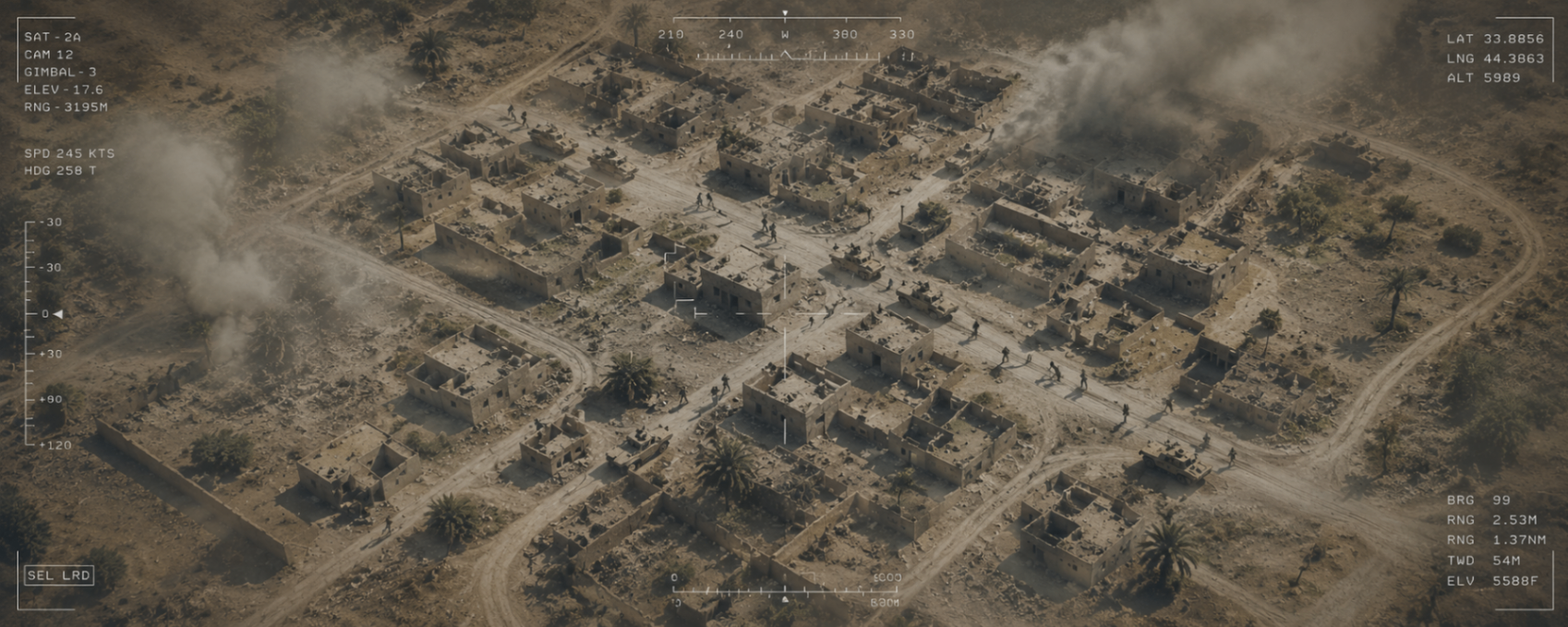
    Following a lead that emerged in August 2010, the CIA traced Abu Ahmed al-Kuwaiti, a courier identified years earlier through detainee reporting and other intelligence, to a walled compound in Abbottabad, Pakistan, about 35 miles north of Islamabad. The property had unusual security features for the area: high walls topped with barbed wire, double entry gates, opaque windows, no internet or telephone connections, and trash burned rather than collected. Its registered owners had no visible income capable of supporting such a residence. Analysts assessed the compound was probably being used to hide Osama bin Laden as well as the courier, near the Pakistani Military Academy.

  110. 2 January 2011

    Zadroga Act Signed into Law

    Obama signed the James Zadroga 9/11 Health and Compensation Act, providing roughly $4.3 billion for medical monitoring and treatment for responders and survivors and for a reopened compensation fund. The health program covered a defined list of conditions, with cancers added by administrative decision in 2012 after further study. The law required periodic reauthorization, which produced renewed fights in Congress in 2015 and 2019 before permanent funding was secured. It marked formal federal recognition that the death toll of the attacks continued to grow long after the day itself.

  111. 15 March 2011

    Obama Convenes National Security Meetings on the Abbottabad Compound

    Beginning in mid-March, Obama chaired a series of National Security Council meetings to weigh options for the compound, including a precision airstrike, a joint operation with Pakistan, and a helicopter raid by American special operations forces. Intelligence could not confirm bin Laden’s presence directly; analysts’ confidence varied considerably, and no photograph or voice sample placed him inside. Officials decided against notifying Pakistan in advance, given concerns about disclosure. Planning proceeded in parallel with training on a full-scale replica of the compound built at Harvey Point, North Carolina.

  112. 4 April 2011

    KSM Case Returned to a Military Commission

    Attorney General Holder announced that Khalid Sheikh Mohammed and his four co-defendants would be tried by military commission at Guantanamo Bay rather than in federal court, reversing the November 2009 decision. He blamed congressional restrictions that barred the transfer of detainees to the United States, saying lawmakers had tied the department’s hands. Charges were formally referred to a commission in April 2012. The case remained in pretrial proceedings for more than a decade afterward, largely over the admissibility of evidence derived from torture.

  113. 29 April 2011

    Obama Gives the Final Order for the Raid

    On the morning of April 29, after a final round of deliberations in which senior advisers were divided, Obama authorized Operation Neptune Spear. Weather delayed execution by one day. The plan called for a small assault force of Navy SEALs from the Naval Special Warfare Development Group, flown by the Army’s 160th Special Operations Aviation Regiment, to raid the compound and either capture or kill bin Laden. Obama proceeded to attend the White House Correspondents’ Dinner the following evening while the operation was pending.

  114. 1 May 2011

    Operation Neptune Spear (May 1-2, 2011)

    Two stealth-modified Black Hawk helicopters carrying SEALs departed Jalalabad, Afghanistan, at about 10:30 p.m. local time on May 1 and arrived over the Abbottabad compound shortly after midnight on May 2 Pakistan time. One helicopter became unstable and made a hard landing inside the compound walls; the assault continued without pause. The team killed the courier Abu Ahmed al-Kuwaiti and several others before finding Osama bin Laden on an upper floor, where he was shot and killed roughly nine minutes into the raid. The force spent about 40 minutes on site collecting computers, hard drives, and documents, destroyed the damaged helicopter, and flew out with the body.

  115. 1 May 2011

    Obama Announces Bin Laden's Death

    In a late-night televised address from the East Room, Obama announced that a small team of Americans had carried out an operation in Abbottabad and that Osama bin Laden was dead. Word had already begun spreading on social media, and crowds gathered spontaneously outside the White House, at Ground Zero, and on college campuses. Identification was confirmed by facial recognition, physical measurement, and DNA comparison with family samples. The announcement drew one of the largest television audiences of the year and closed a manhunt that had run for nearly ten years.

  116. 2 May 2011

    Bin Laden Buried at Sea

    Bin Laden’s body was flown to the aircraft carrier USS Carl Vinson in the North Arabian Sea, washed, wrapped in a white sheet, and buried at sea within 24 hours of his death in accordance with the timeline required by Islamic practice. Officials said no country was willing or appropriate to receive the remains and that a marked grave risked becoming a shrine. The administration decided against releasing photographs of the body, with Obama saying the United States did not need to spike the football. The absence of released images fueled conspiracy claims, though DNA evidence and al-Qaeda’s own confirmation days later settled the question.

  117. 5 May 2011

    Obama Lays a Wreath at Ground Zero

    Four days after the raid, Obama traveled to New York, laid a wreath at the World Trade Center site, and met privately with victims’ families and with firefighters and police officers who had lost colleagues. He made no public speech at the site, choosing a deliberately restrained observance. Former President Bush declined an invitation to attend, saying he had chosen to remain out of the public spotlight. The visit served as a formal closing of the arc that had begun with the bullhorn speech on the same ground nearly a decade earlier.